How to Choose the Right Headphones for Your Needs
- 29 Sep, 2026
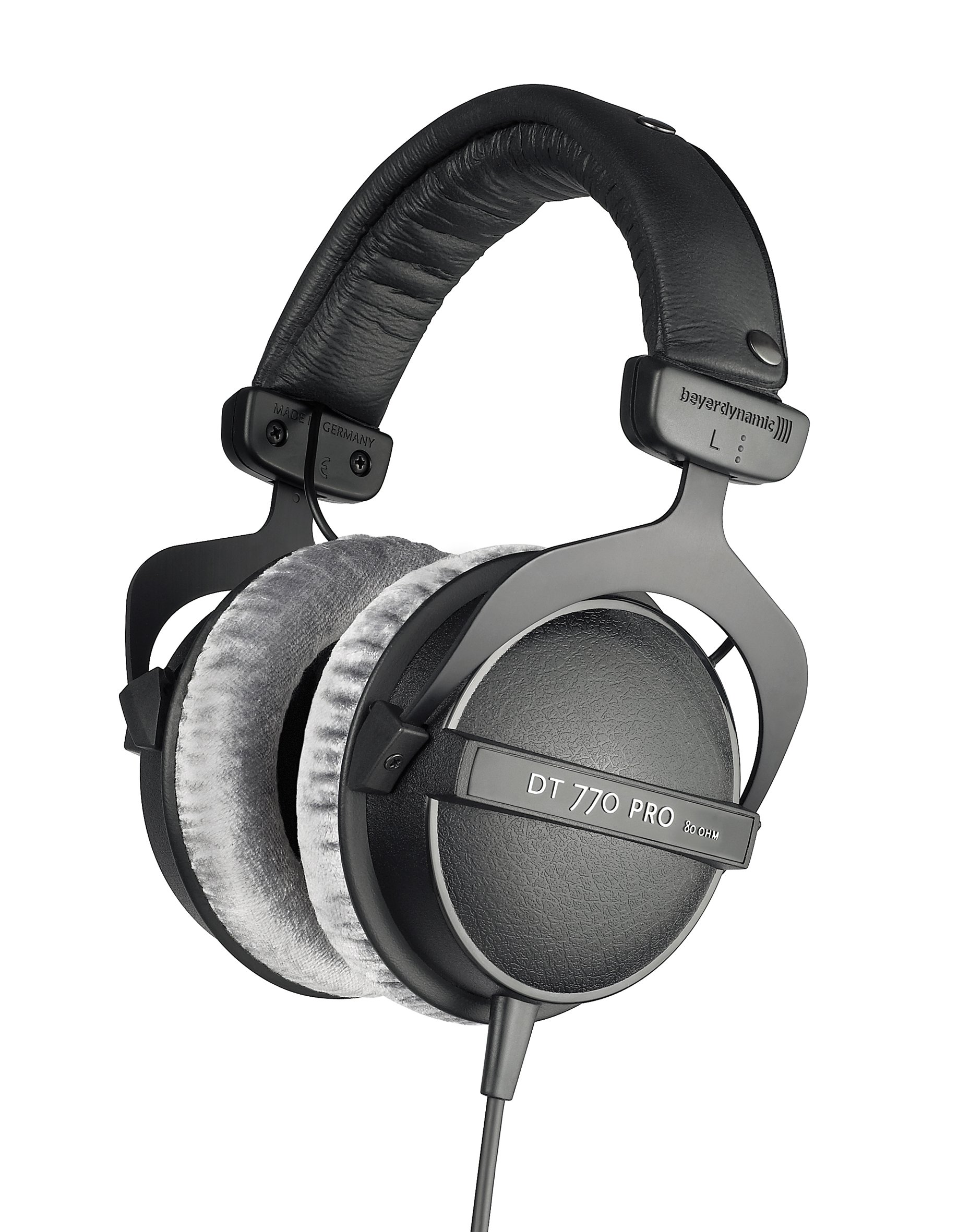
Headphones are one of the most personal pieces of tech you can buy. The pair that suits a daily commuter is rarely the best choice for someone mixing music at home, and a gaming headset has different priorities again. With so many types, terms and price levels, it helps to start with how you will actually use them.
This guide explains the main choices in plain language, so you can pick a pair that fits your ears, your devices and your habits.
Over-Ear, On-Ear or In-Ear?
The shape of the headphones affects comfort, sound and how practical they are to carry:
- Over-ear: the cushions sit around your ears. Usually the most comfortable for long sessions and good at blocking outside noise, but bulkier to carry.
- On-ear: the cushions rest on your ears. Smaller and lighter, though some people find the pressure tiring after a few hours.
- In-ear: earbuds that sit in the ear canal. Very portable and ideal for commuting and exercise. Getting the right size of ear tip is important for both comfort and sound.
Open-Back or Closed-Back?
This choice matters mainly for over-ear headphones. Closed-back models seal the sound in, which means less noise leaking out to people around you and less outside noise getting in. That makes them a good fit for offices, shared homes and recording. Studio models such as the Beyerdynamic DT 770 PRO are a well-known example of the closed-back design.
Open-back headphones let air and sound pass through the ear cups. Many listeners feel they give a more natural, spacious sound, but everyone nearby will hear what you are listening to, and you will hear the room too. They are best for quiet spaces at home.
Wired, Wireless and Impedance
Wireless Bluetooth headphones are convenient for phones, laptops and travel, and many include active noise cancellation, which uses microphones to reduce steady background sounds like engine hum. The trade-off is that they need charging, and audio quality can depend on the Bluetooth codecs your device supports.
Wired headphones never run out of battery and are often preferred for studio and critical listening. If you shop for wired studio models, you will notice that some come in several impedance versions, measured in ohms. In simple terms:
- Lower impedance versions are easier to drive from phones, laptops and portable devices.
- Higher impedance versions usually work best with a dedicated headphone amplifier or audio interface, and are common in studios.
If you are unsure, check the manufacturer’s recommendation for the device you plan to use, as each model has its own specifications.
Comfort, Fit and Care
The best sounding pair is no use if it hurts after an hour. Look at the weight, the clamping force and the material of the ear pads. Velour pads tend to stay cooler, while leatherette pads seal better against outside sound. A replaceable cable and replaceable ear pads can extend the life of your headphones considerably.
Look after them with a few simple habits: store them in a case or on a stand, wipe the pads now and then, and avoid wrapping the cable tightly. Our tech maintenance tips cover more ways to make your electronics last.
Protect Your Hearing
Whatever you choose, keep the volume at a comfortable level and take breaks during long listening sessions. Noise cancelling can actually help here, because you do not need to turn the volume up to drown out background noise.
Browse our full range of headphones and headsets to compare models for music, work, gaming and travel.